In today’s digital age, chatbots have become so advanced that distinguishing them from real humans can feel like a challenge—especially on platforms built for casual, engaging conversations. Whether you’re chatting on a NSFW AI Chat platform, testing a Character AI Alternative, or using a No Unfiltered chat tool, it’s easy to mix up bots with real people. But even the most sophisticated chatbots leave subtle clues that give them away. In this guide, we’ll break down 6 simple, actionable signs to help you tell if you’re talking to a chatbot—no technical expertise required. We’ll also tie these signs to common platforms like NSFW AI Chat and Character AI Alternative tools, so you can apply these tips wherever you chat online.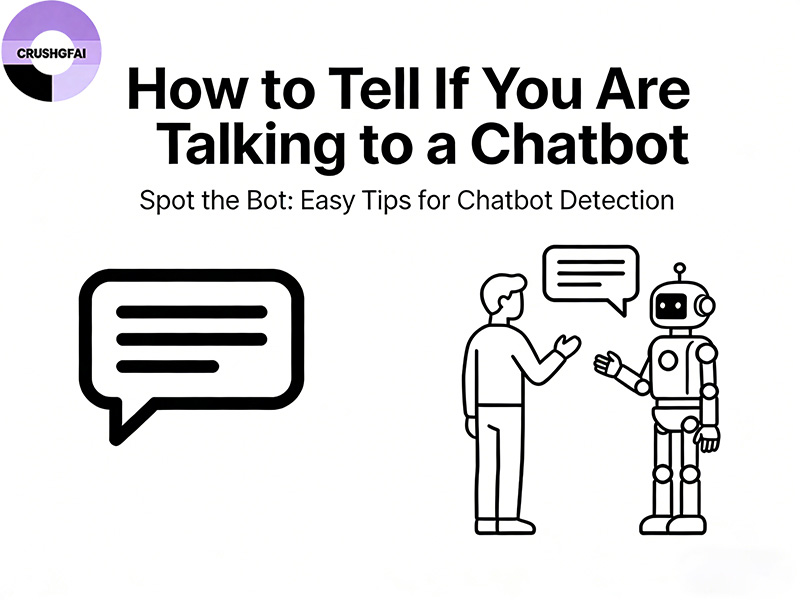
1. Unusually Fast, Uniform Response Times
One of the biggest red flags of a chatbot—even on advanced platforms like NSFW AI Chat or a Character AI Alternative—is response speed. Real humans need time to read your message, process their thoughts, and type a reply. They might take a few seconds to respond, and their response times will vary. Chatbots, on the other hand, generate replies instantly—usually in under a second—and their response speed stays consistent, no matter how complex your message is.
This is especially noticeable on No Unfiltered chat platforms, where bots are designed to mimic casual conversation but lack the natural pauses of human interaction. If every message you send gets a lightning-fast, uniform reply, chances are you’re not talking to a real person.
2. Repetitive or Generic Responses
Chatbots are programmed with a set of pre-written responses or use AI to generate replies based on patterns—but they often struggle with originality, especially when the conversation shifts. If you notice the other “person” repeating phrases, giving generic answers, or failing to address specific details you mentioned, it’s likely a chatbot.
For example, on a NSFW AI Chat platform or a Character AI Alternative, a bot might respond to “Tell me about your favorite memory” with a vague, one-size-fits-all answer like “I love all the moments we share!” instead of a unique, detailed story. No Unfiltered chat bots are no exception—even without content restrictions, their replies often lack the personal flair and specificity of human conversation.
3. Inability to Handle Off-Topic or Complex Questions
Humans excel at adapting to unexpected topics and answering complex, open-ended questions. Chatbots, however, are limited by their programming. If you steer the conversation away from the “script”, a bot will often: change the subject back, give a non-sequitur, or admit that it doesn’t understand.
Try testing this by asking something unrelated to the current chat—for example, if you’re on a Character AI Alternative talking about a fictional character, ask “What’s the best way to bake chocolate chip cookies?” A human would adapt; a bot might ignore the question or give a generic baking tip that feels out of place. This test works equally well on NSFW AI Chat and No Unfiltered platforms, as bots on these sites are still limited by their ability to process unscripted questions.
4. Lack of Emotional Consistency
Real humans have consistent emotions and tone. If someone is upset, they won’t suddenly switch to being overly happy mid-conversation without reason. Chatbots, on the other hand, often have inconsistent emotional responses, especially on platforms like NSFW AI Chat or Character AI Alternative tools, where they’re programmed to mimic certain moods but struggle with nuance.
For instance, if you share a “sad” message, a bot might respond with sympathy one minute, then make a playful joke the next—with no logical transition. No Unfiltered chat bots can be even more inconsistent, as they lack the emotional awareness to match your tone consistently. If the conversation feels emotionally disjointed, it’s a strong sign of a chatbot.
5. Overly Perfect Grammar (or Odd Mistakes)
Most humans make small grammar mistakes, typos, or use casual slang when chatting informally. Chatbots, however, often have perfect grammar and sentence structure—too perfect, in fact. They might also make odd, unnatural mistakes that a real human wouldn’t.
This is common on Character AI Alternative platforms, where bots are designed to sound “polished” but end up feeling inhuman. On NSFW AI Chat or No Unfiltered sites, bots might try to mimic casual slang but overdo it or use it incorrectly, giving away their automated nature.
6. Platform-Specific Clues
Certain platforms are more likely to use chatbots—and they often leave subtle hints. For example:
- NSFW AI Chat platforms: Many of these sites use chatbots to handle high volumes of conversations, especially outside of peak hours. If the platform advertises “24/7 availability” for every chat, chances are most of those “chat partners” are bots.
- Character AI Alternative tools: These platforms let you chat with fictional or custom characters, but many of the pre-made characters are chatbots. Look for labels like “AI Character” or “Bot” to confirm.
- No Unfiltered chat sites: Since these platforms have no content restrictions, they often use bots to avoid legal risks. If the conversation feels scripted or avoids personal details, it’s probably a bot.
How to Confirm You‘re Talking to a Chatbot
If you’re still unsure, try these quick tests:
- Ask for a unique detail: “What did I say in my third message?” A human will remember; a bot might ignore the question or give a generic answer.
- Use sarcasm or irony: “I love waiting 2 hours for a reply!” Humans will pick up on the sarcasm; bots often take it literally.
- Ask them to do a human task: “Can you write a 1-sentence poem about my username?” Bots might generate a generic poem, but humans will tailor it to your username.
Final Thoughts
Chatbots are getting more sophisticated, but they still can’t replicate the uniqueness, adaptability, and emotional depth of human conversation. Whether you’re chatting on a NSFW AI Chat platform, a Character AI Alternative, or a No Unfiltered site, the signs above will help you tell if you’re talking to a bot.
Remember: There’s nothing wrong with chatting with a bot—many people enjoy it for casual conversation or role-play! The key is knowing the difference so you can set realistic expectations. Now that you have these tips, you’ll never confuse a chatbot with a real human again.